Business As Usual? Perhaps We Should Ask Nepal.
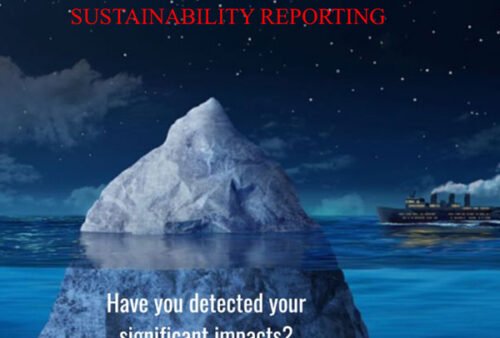
The danger was there. We simply chose not to see it. Before we talk about sustainability, climate risk, ESG, or business resilience, my thoughts are with the people […]
We are pleased to welcome Simon Seebaluck as SustainZone’s Strategic Partner for Mauritius & the Indian Ocean, strengthening our ability to deliver practical sustainability solutions locally while connecting […]
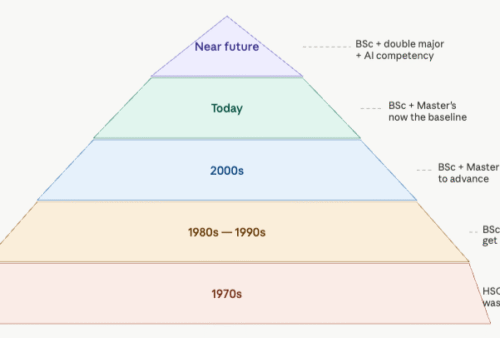
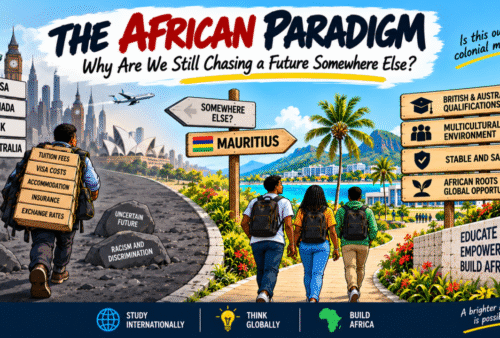
For generations, higher education offered a clear pathway to prosperity. Study hard, earn a degree, secure a good job, and build a better life. Today, that social contract […]
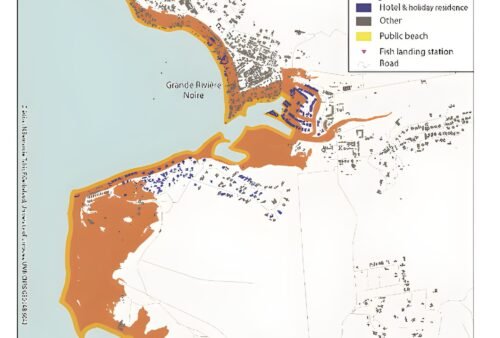
Some truths are easy to admire and difficult to confront. Mauritius and Rodrigues have long prospered because of their coastlines. Our beaches are not simply places of leisure. They are the foundation of our tourism model, our national brand, our economic identity, and even the emotional memory of those who call these islands home. Yet the very geography that sustains us has become our most fragile frontier. The same line that symbolises beauty is now revealing vulnerability.
Simon Seebaluck, founder of Skyfall Consulting, discusses the importance of Global Reporting Initiative (GRI) standards and Circular Economy principles in Environmental, Social, and Governance (ESG) frameworks. We also discuss the significance of GRI disclosures related to climate change and how they align with global sustainability and financial reporting standards.
According to the Ellen MacArthur Foundation (EMF), this USD 2.5 trillion clothing industry annually hires over 300 million people along the value chain; cotton production alone accounts for almost 7% of all employment in certain low-income countries.
The Circular Economy is an economic master plan recommending ingenious ways of modifying the perennial and prevailing linear consumption system into a circular one.